
Three sections, one pipeline. They look similar and do completely different jobs, and using the wrong one is how people spend credits without learning anything.
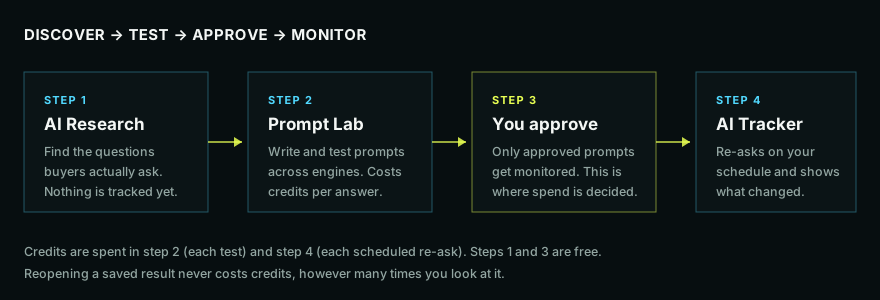
AI Research — find the questions
Discovery. What do buyers in your market actually ask an assistant, who gets named in the answers, and which sources do those answers cite?
Use it when you do not yet know what to track.
Prompt Lab — write and test them
The workbench. Write a prompt, run it against the engines you care about, and read what came back before committing to anything.
Use it to answer "is this prompt worth monitoring?" — a prompt nobody would ever type is not worth watching forever.
Each test costs credits, because each one is a real answer from a real engine.
AI Tracker — monitor the ones that matter
Monitoring. Approved prompts, re-asked on your schedule, with the trend, the competitors named, the sources cited, and the diagnosis of what changed.
Use it for the questions you would be embarrassed to be absent from.
The rule of thumb
Research finds questions. Lab decides which are worth watching. Tracker watches them.
If you are adding prompts straight into the Tracker without testing them, you are paying to monitor questions you have never seen answered. If you are testing the same prompt in the Lab every week by hand, that is what the Tracker is for.
Where the money goes
- AI Research — credits per research run
- Prompt Lab — credits per answer, per engine
- Approval — free
- AI Tracker — credits per scheduled re-ask, per engine
The multiplier people miss: four engines and a daily schedule is four answers a day, per prompt. Twenty prompts on that setting is 2,400 answers a month. Weekly is usually the right starting cadence, and you can raise it on the prompts that move.
Next
- Reading AI visibility: the five states
- What a credit is and what uses them